

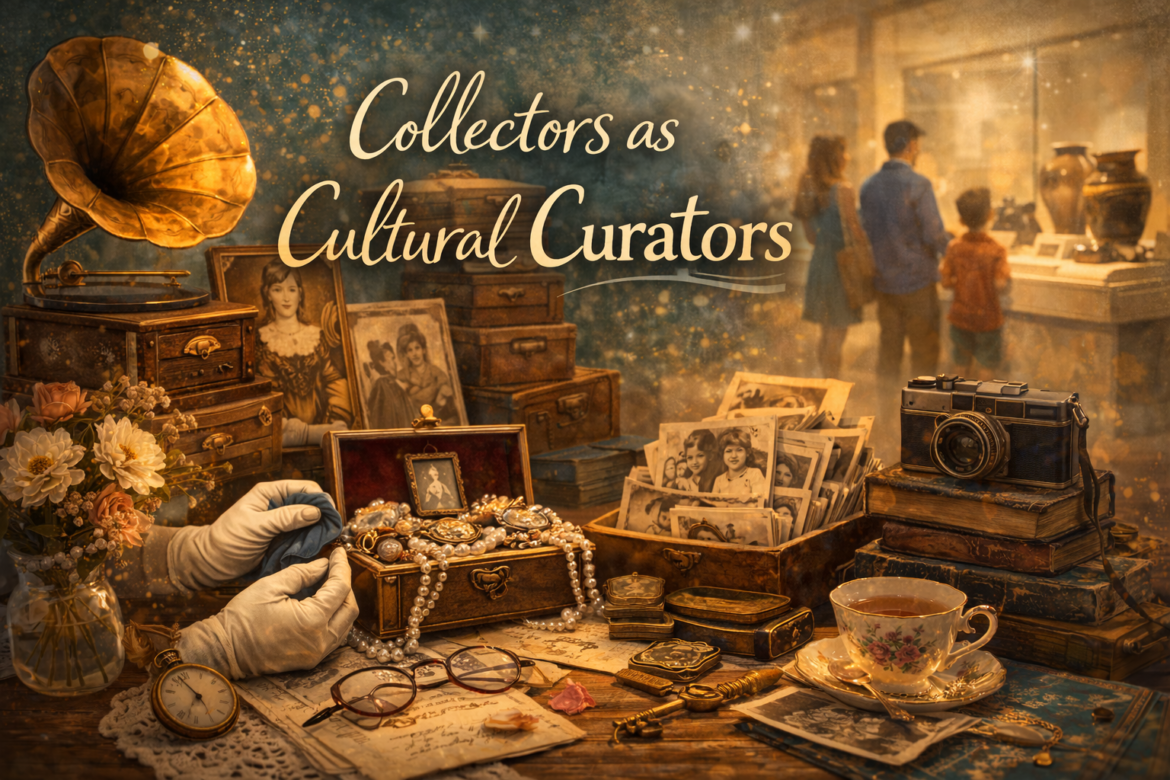
Collectors often play a quiet but powerful role in preserving cultural history. While museums carefully curate large collections of historically significant artifacts, countless smaller pieces of history remain scattered across estate sales, antique markets, and private homes. Vintage collectors step into this space as cultural curators, recognizing the value in everyday objects that might otherwise be forgotten. Items such as vintage jewelry, old photographs, decorative trinkets, or handmade household pieces may not always find their way into museum exhibits, yet they still represent the spirit, craftsmanship, and traditions of their time.
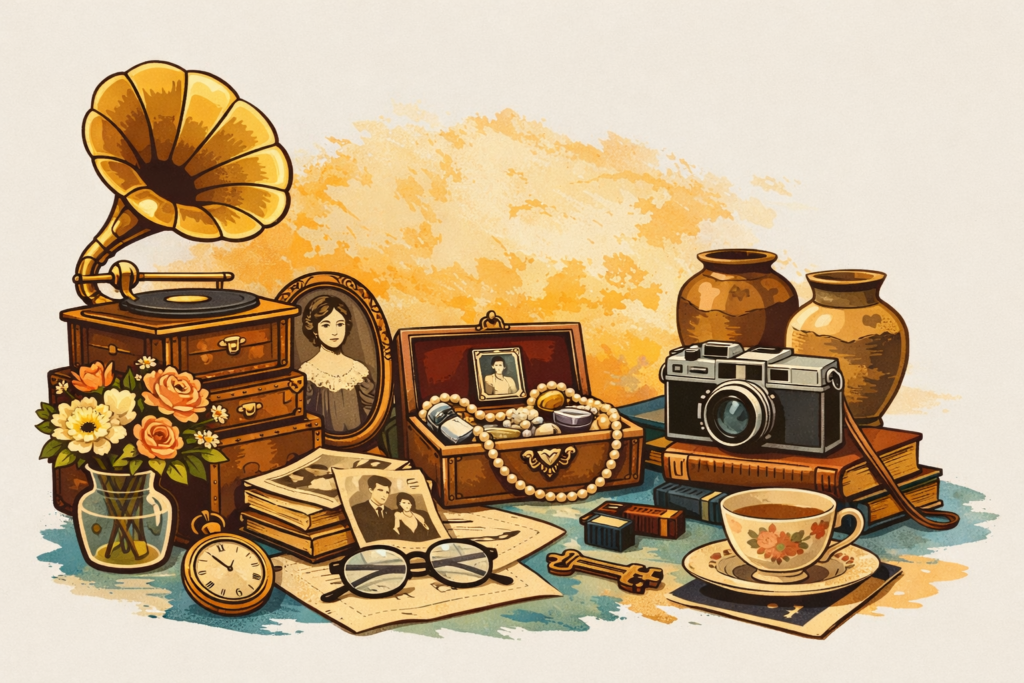
Private collections often preserve the personal side of history that large institutions may overlook. Museums typically focus on major historical events, famous figures, or rare artifacts, but collectors frequently save objects that reflect daily life from earlier eras. A worn leather handbag, a delicate brooch, or a set of vintage teacups can tell stories about fashion, social customs, and the way people lived decades ago. These objects may seem ordinary, but together they form a rich tapestry of cultural memory that helps us better understand the past.
In many ways, collectors act as guardians of these overlooked stories. By discovering, preserving, and sharing vintage treasures, they keep fragments of cultural heritage alive for future generations. Their collections often become informal archives of everyday history—filled with items that might never appear in a museum display but still hold deep historical and emotional value. Through their passion and dedication, collectors ensure that the beauty, craftsmanship, and culture of earlier generations continue to be remembered and appreciated.