


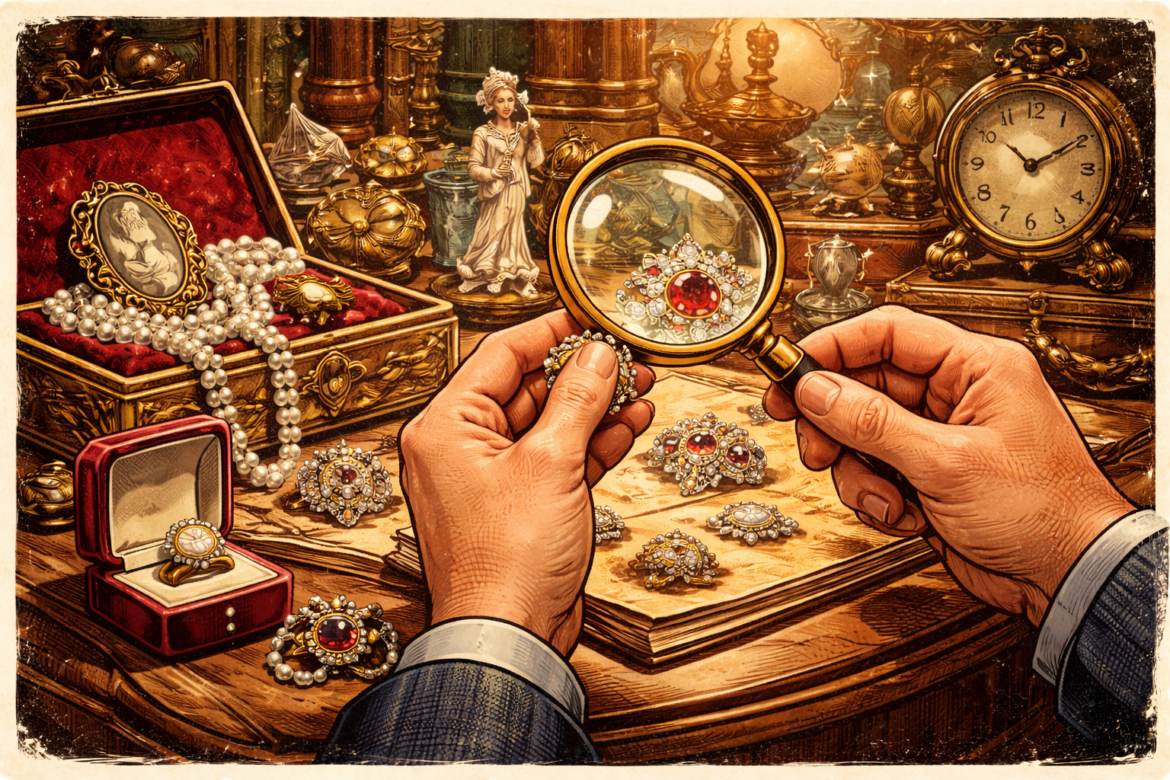
One of the most fascinating qualities of experienced collectors is what many call the “collector’s eye.” It is the ability to see potential and value in objects that others might overlook. At first glance, a vintage brooch, worn leather handbag, or small jewelry box may appear ordinary. Yet to a trained collector, subtle details—such as craftsmanship, materials, design era, or maker’s marks—can reveal that the item is something truly special. This skill is not simply luck; it develops over time through curiosity, patience, and countless hours spent exploring antique shops, estate sales, and markets.
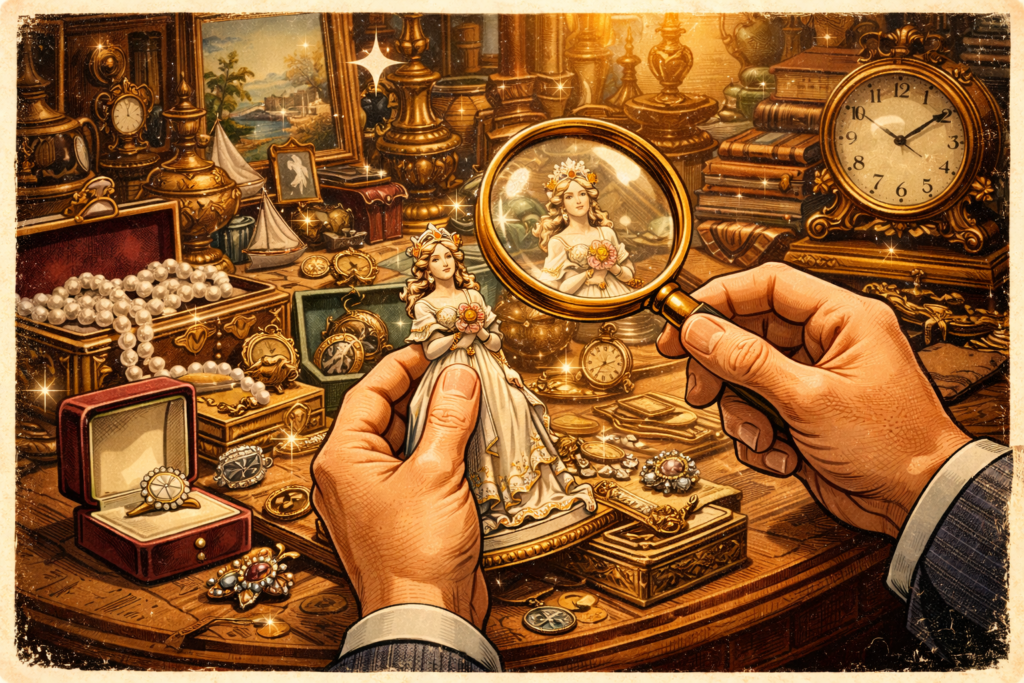
Learning to spot hidden value requires both knowledge and intuition. Collectors begin to recognize the characteristics that define quality and rarity. They notice the weight of real metals, the precision of hand-set stones, the stitching in vintage handbags, or the distinctive style of a particular design period. With experience, they develop an instinct for items that carry historical significance or artistic merit. Often, the most remarkable discoveries are found in the most unexpected places—tucked in a dusty box at an estate sale or quietly waiting on a crowded antique table.
What makes the collector’s eye so powerful is that it preserves history while bringing forgotten treasures back into the light. When a collector recognizes the hidden beauty or importance of an object, they give it a new opportunity to be appreciated and valued once again. In this way, collecting becomes more than a hobby—it becomes a form of discovery and preservation, where knowledge, passion, and a keen eye transform overlooked items into cherished pieces of the past.